☎ +61 0424184795  Support@CosyCamp.com.au  WeChat : CosyCampAus

Marketplace is available now!

Premium Camping Gear Rental is Now Available.

Camping Lights & Lanterns

71 products

Shop camping lights and lanterns in Australia at Cosy Camp. Explore rechargeable LED lanterns, area lights, string lighting, compact task lights, wearable lights, gas lanterns, shades, stands and model-specific accessories for campsite, touring and emergency setups.

Choose lighting by purpose

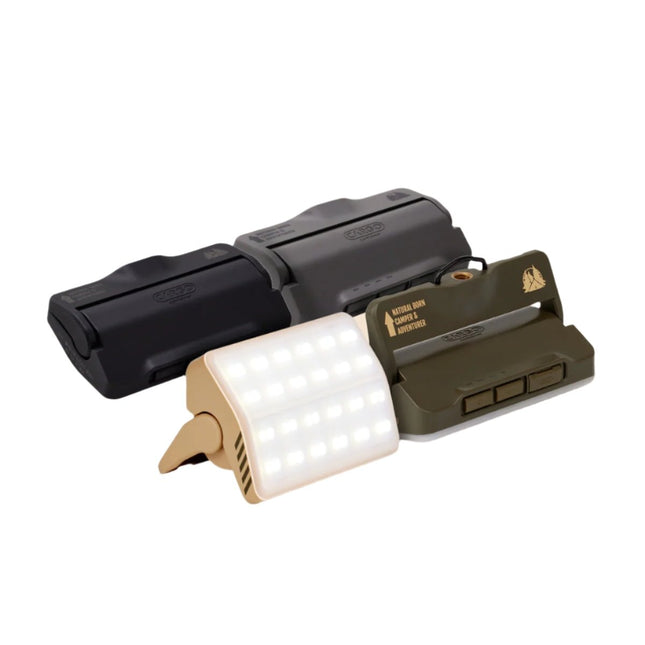
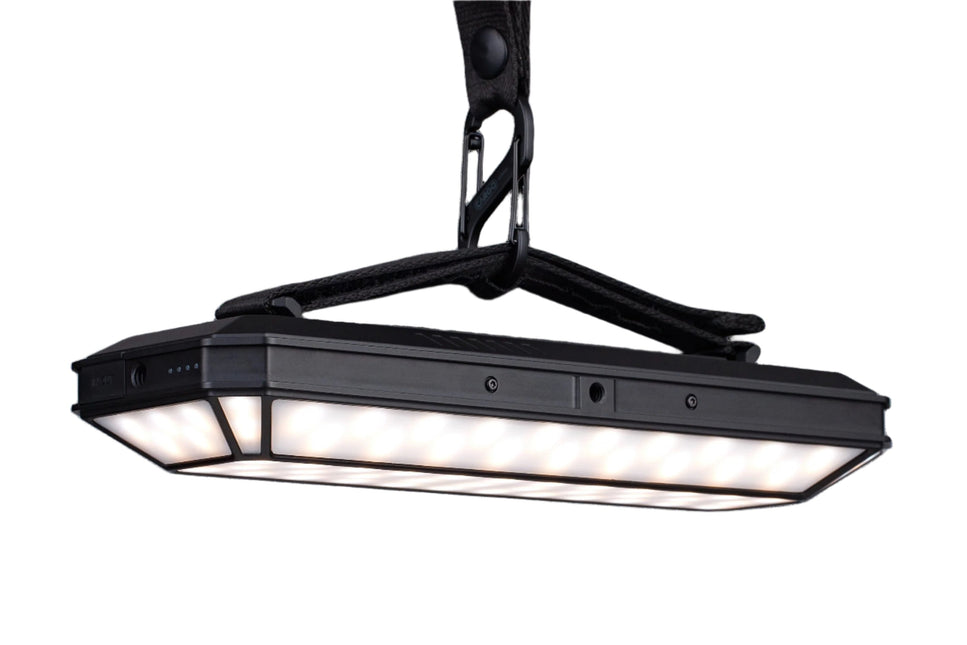
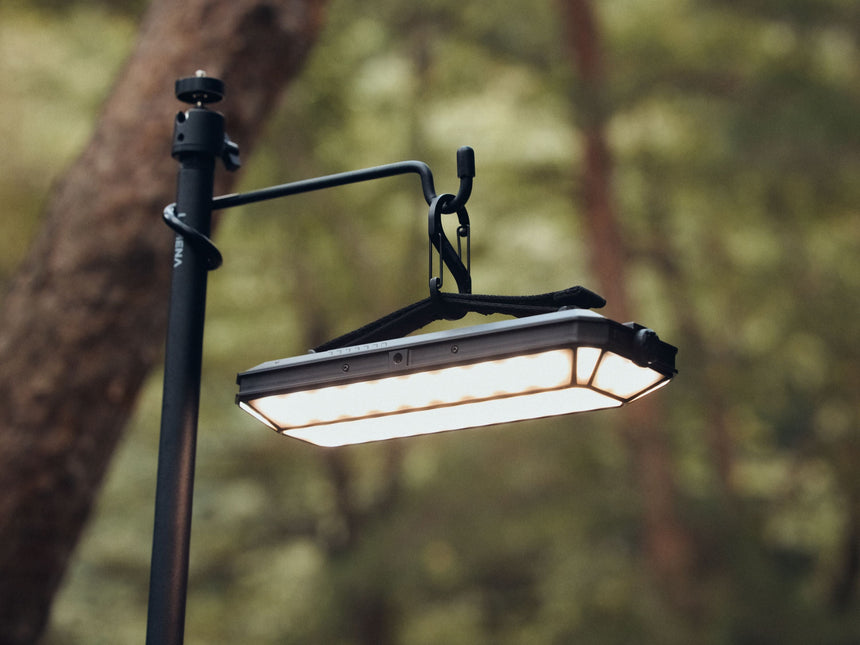
  • Area and work lighting: Compare higher-output lights for cooking areas, vehicle setups and larger campsite spaces.
  • Table and ambient lanterns: Choose diffused lighting for dining, relaxing and lower-glare campsite illumination.
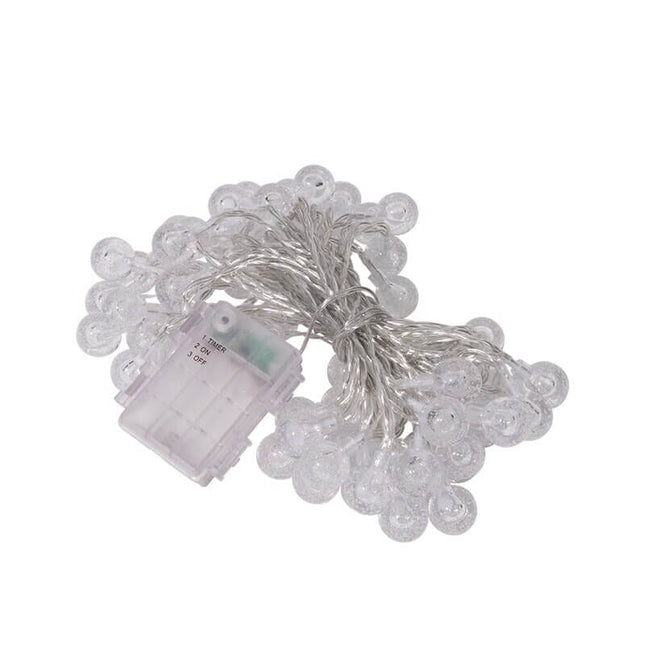
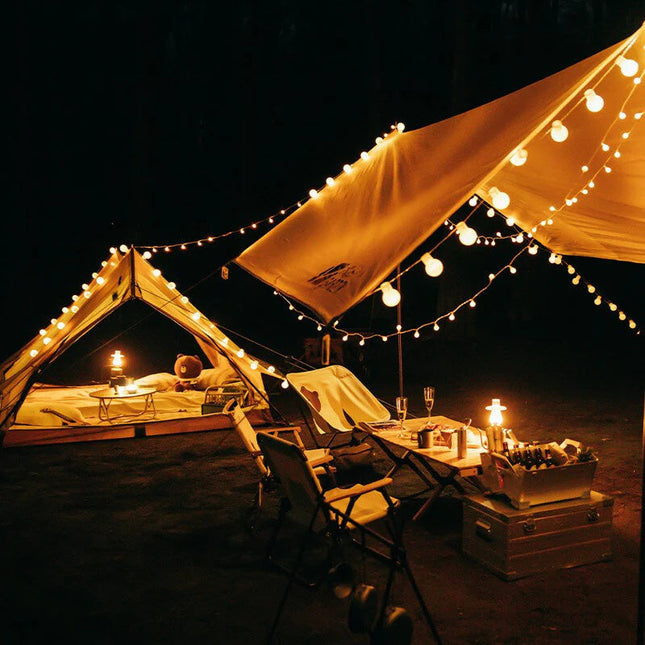
  • String lights: Light shelter edges, awnings and shared areas while checking total length, power source and mounting method.
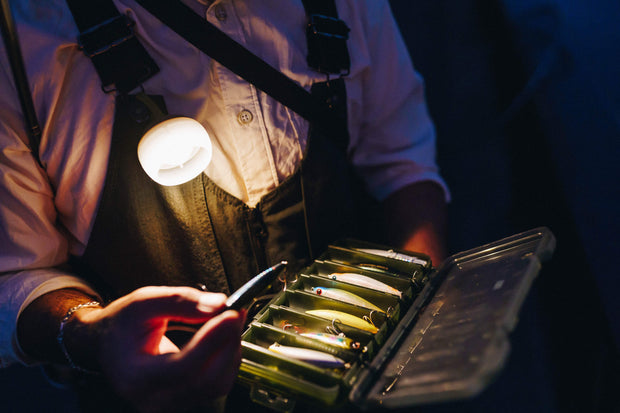
  • Wearable and compact lights: Cap lights, headlamps and small portable lights provide hands-free or close-range illumination.
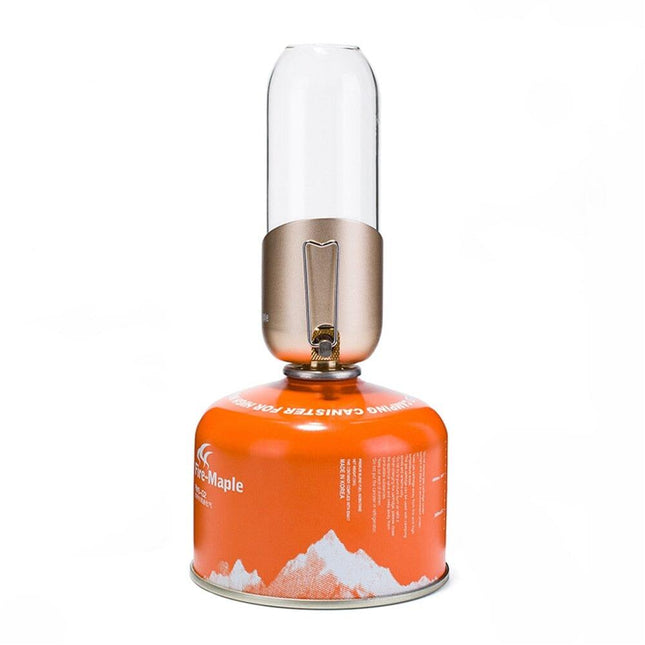
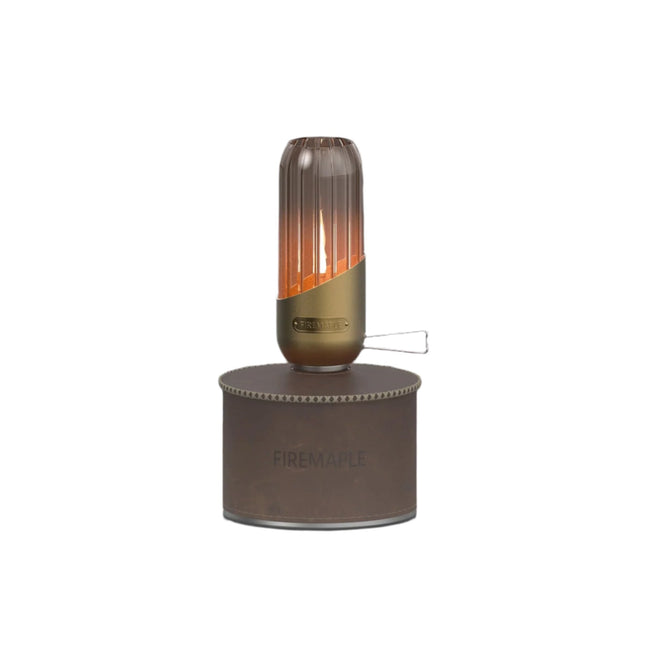
  • Gas lanterns: Confirm the specified fuel, connector, mantle or globe requirements and applicable Australian certification information.
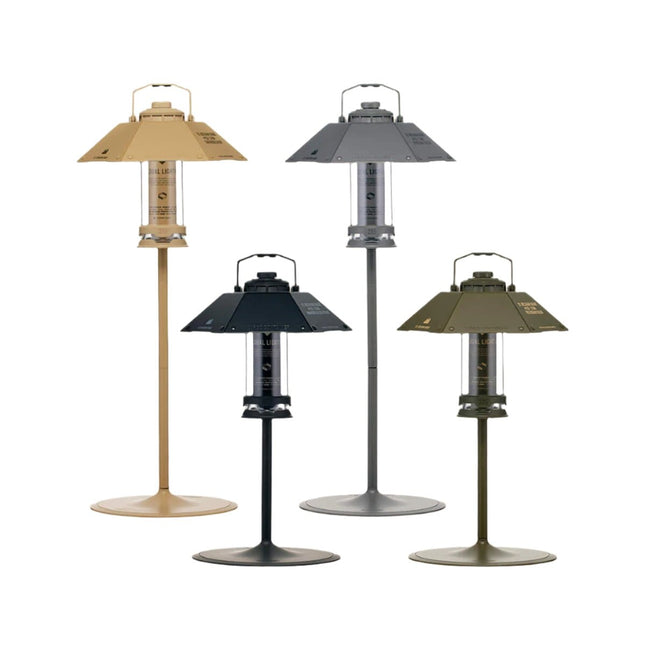
  • Shades, stands and accessories: Check exact model compatibility because mounting threads, clips, controllers and dimensions vary.

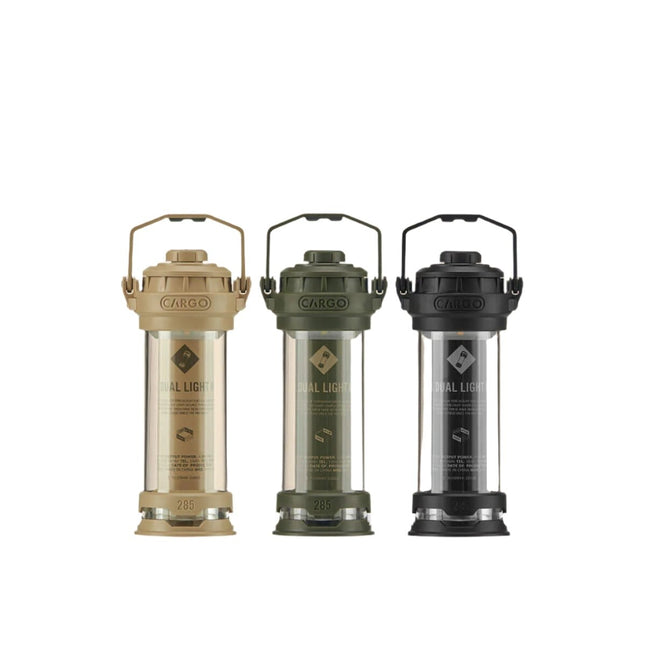
Explore our CLAYMORE collection, CARGO CONTAINER range and camping accessories.

Compare the important specifications

Compare maximum lumens, beam pattern, battery capacity, runtime at low and high output, charging connection, charging time, colour temperature, IP rating, dimensions, weight and mounting options.

Do not assume every rechargeable light uses USB-C or has the same water-resistance rating. Accessories pictured with a light may be sold separately.

Gas lanterns are outdoor appliances. Confirm fuel and connection compatibility and keep them away from tents, enclosed spaces and combustible materials.

Shop camping lights in Melbourne or online

Order camping lights online for delivery across Australia, or visit Cosy Camp in Knoxfield, Melbourne, to compare selected lanterns and lighting systems.
  • Camping Lights
  • Camping Lights
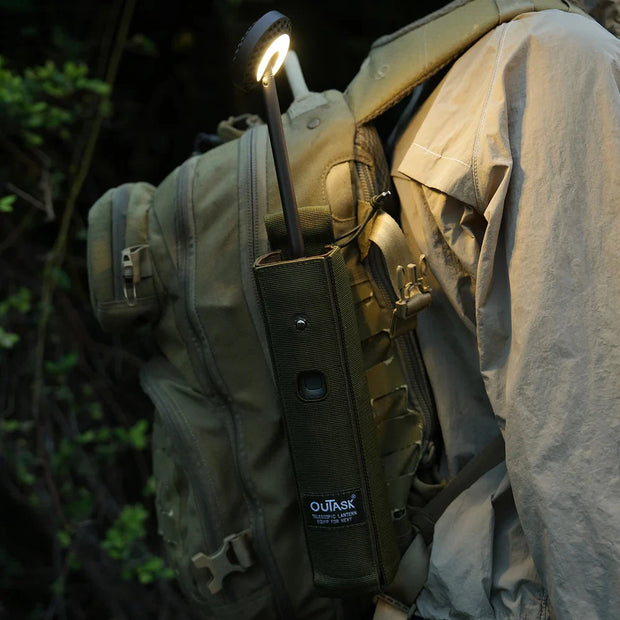
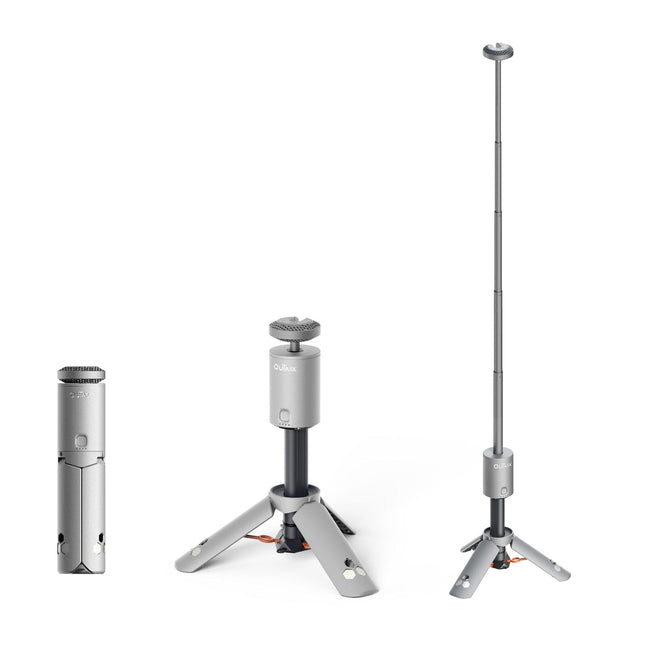
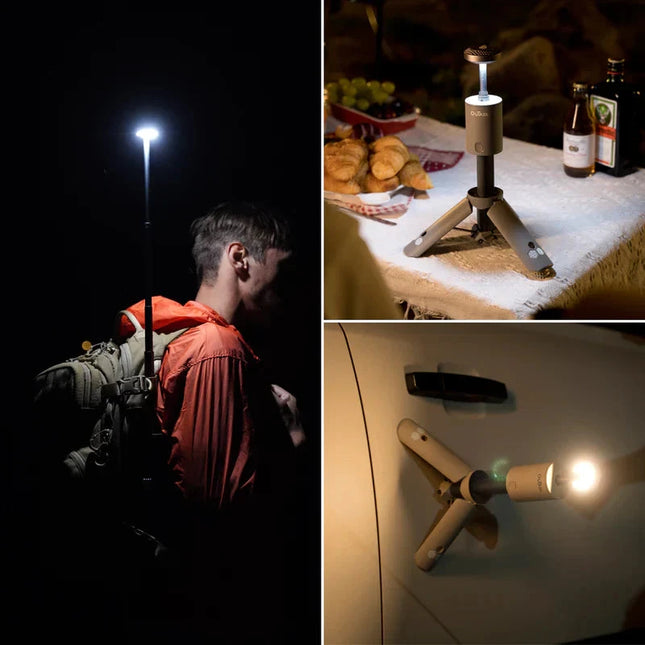
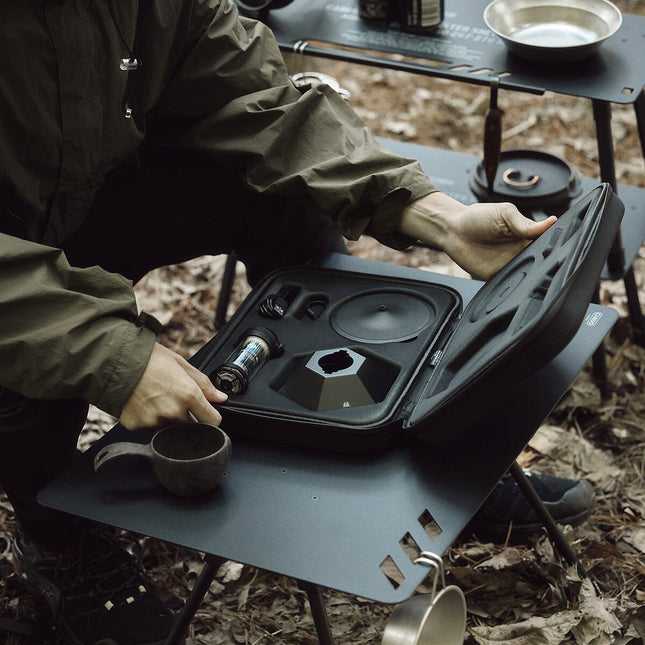
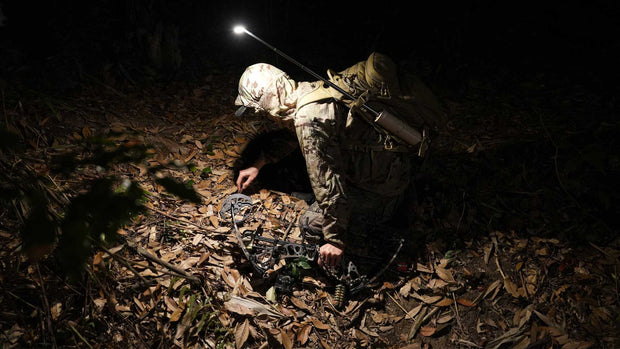
  • OUTASK Telescopic Lantern Protective Case Light Outask

What to Consider When Choosing a Camping Lantern

When planning a camping trip, choosing the right lighting is essential for ensuring both safety and comfort in the great outdoors. Whether you’re setting up camp in the woods, by a lake, or in the mountains, the right camping light can make all the difference. Here’s a guide to help you select the perfect camping light and understand the important factors to consider.

  • Brightness (Lumens)

    When selecting a camping light, the brightness, measured in lumens, is a crucial factor. Higher lumens deliver powerful illumination, perfect for tasks like cooking, navigating the campsite, or detailed work requiring clear visibility. On the other hand, lower lumens provide softer, ambient light, ideal for inside a tent where you want a comfortable, non-intrusive glow. Many camping lights offer adjustable brightness levels, allowing you to easily switch between intense illumination for outdoor tasks and a gentle light for relaxing or reading. This flexibility not only enhances the light's versatility but also helps conserve battery life, ensuring your light remains effective and lasts longer across a variety of camping situations.

  • Power Source

    Battery-Powered: Traditional and easy to use, but remember to bring extra batteries or a portable charger.

    Rechargeable: Eco-friendly and cost-effective in the long run. Just ensure you have a way to recharge them, either through a solar panel or power bank.

    Solar-Powered: Ideal for long trips where access to electricity is limited. However, they depend on the availability of sunlight.

  • Portability and Weight

    Portability and weight are crucial when choosing a camping light, especially for those prioritizing a lightweight setup. A portable light should be easy to carry, whether hiking or moving around camp. Lanterns should be light enough to hang without adding bulk, while flashlights and headlamps are compact and easy to store. Durable, lightweight materials like aluminum or plastic are ideal. Rechargeable lights are often lighter since they don't require extra batteries. The best camping lights balance portability with functionality, providing sufficient light without unnecessary weight.

  • Durability and Weather Resistance

    Durability and weather resistance are vital for camping lights, as outdoor conditions can be tough. A durable camping lamp should handle drops and impacts, with materials like tough plastics or aluminum enhancing its resilience. Weather resistance, especially against rain or humidity, is crucial. The IPX rating indicates waterproof capabilities; for instance, IPX4 is splash-resistant, while IPX7 can be submerged up to 1 meter for 30 minutes. Selecting a camping light with solid durability and weather resistance ensures reliable performance in challenging environments.

What factors should I consider when choosing a camping light?

Key factors include brightness (measured in lumens), power source (battery-powered, rechargeable, solar, etc.), portability and weight, durability and weather resistance, and special features like adjustable brightness levels or red light modes.

How many lumens do I need for a camping light?

It depends on your needs. For general campsite activities, 100-200 lumens is usually sufficient. For tasks requiring more visibility, like cooking or navigating, 300-500 lumens or more may be better. For inside a tent, 50-100 lumens provides comfortable ambient lighting.

What is the difference between a flashlight and a camping lantern for camping?

A flashlight provides a focused beam of light and is great for directing light in a specific direction. A camping lantern, on the other hand, offers 360-degree illumination, making it ideal for lighting up larger areas like a campsite or inside a tent.

How important is an IPX rating for a camping light?

An IPX rating indicates the light’s water resistance, which is important if you’re camping in wet conditions. For example, IPX4 means the light is splash-resistant, while IPX7 allows it to be submerged in water up to 1 meter deep for 30 minutes, offering greater protection.

Should I choose a solar-powered camping light?

Solar-powered lights are great for eco-friendly camping and long trips where access to electricity is limited. However, they depend on sunlight for charging, so they may not be reliable in cloudy or rainy weather. They work best as a supplementary light source.

Is it necessary to have multiple types of lights when camping?

Yes, having multiple lights is often recommended. A headlamp or flashlight is useful for personal tasks, while a lantern is great for illuminating a larger area. String lights can add ambiance and low-level lighting around the campsite.